Home/Products/Triangular Wire/Duplex 2205 Triangular Wire
Duplex 2205 Triangular Wire
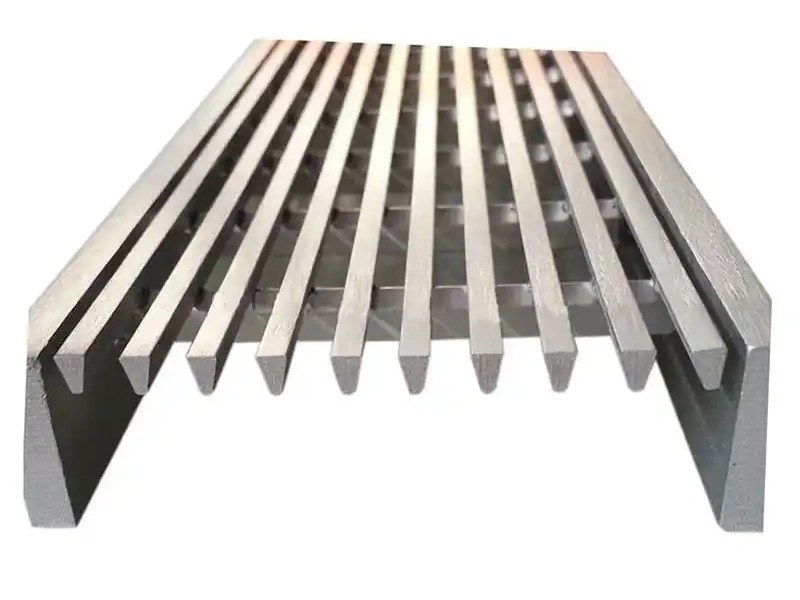
Triangular wire in 2205 duplex for chloride duty: drawn, then solution annealed and quenched so the ferrite-austenite balance and the corrosion rating survive into the finished screen, not just the coil.
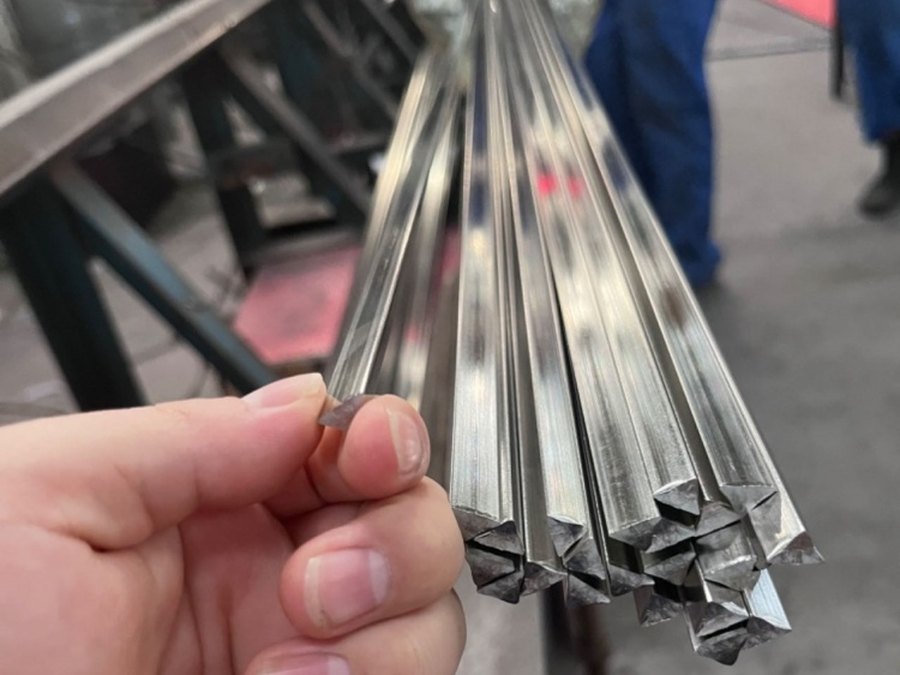
Duplex 2205 Triangular Wire
Triangular wire in 2205 duplex for chloride duty: drawn, then solution annealed and quenched so the ferrite-austenite balance and the corrosion rating survive into the finished screen, not just the coil.
| Material | UNS S32205 / S31803 duplex, solution annealed 1020-1100 °C and water quenched after drawing; scale-free surface on request |
|---|---|
| Size range | Base 1.5-6 mm, height to 8 mm, wrap-face h9-h11; tensile typically 650-900 MPa as-drawn, adjusted by pass schedule; straightened coils |
| Typical application | Wedge wire wrap for brackish water wells, sea water intakes and desalination screens, chloride-bearing process filtration, high-strength support rods and wrap pairings |
| Cross-section | Square — also drawn to your drawing |
| Surface | Bright drawn, as required |
| Packing | Coil, spool or straight length |
2205 duplex is the default upgrade when a 316L screen sits in water with real chloride in it — brackish wells, sea water intakes, desalination pretreatment. But duplex earns its rating only if the microstructure survives manufacturing. Cold drawing loads the wire with strain; if that strain stays in, the ferrite-austenite balance shifts and the pitting resistance the certificate promised is not the pitting resistance the screen delivers.
Annealed after drawing, not just certified
Every duplex coil is solution annealed at 1020–1100 °C and water quenched after the final passes — the same discipline as on our duplex wedge wire screens, applied to the wire before winding. The practical test a buyer can ask for is a ferrite count on the finished wire; a coil that skips annealing fails it, and no pass schedule hides the difference.
Strength without brittleness
As-drawn duplex is strong; over-drawn duplex is brittle and cracks at the winding machine's tension arm. We set tensile with the pass schedule and hold it in the 650–900 MPa band unless the application wants the upper end, so the wire bends around rods and end rings without springing surprises. Corner radii carry over from the 304/316L tooling — the profile geometry is identical, which matters if you wind both materials on the same machine.
Where it pays for itself
2205 costs more per tonne than 316L and lasts longer exactly where chlorides concentrate: at crevices under wrap contact, in stagnant zones of an intake screen, in wells that sit idle between cycles. The honest framing for a quotation is service life per screen, not price per kilogram — for a seawater duty the arithmetic usually lands inside one replacement cycle.
Specifications
| Grade | UNS S32205 / S31803 duplex |
|---|---|
| Size | Base 1.5–6 mm, height to 8 mm; wrap face h9–h11 |
| Condition | Drawn, then solution annealed + water quenched |
| Tensile | Typically 650–900 MPa, set by schedule |
| Coils | Straightened, wound to payoff spec |
The 2507 super duplex step-up and where it stops being the right call are on the duplex screens page, and slot arithmetic for the screens this wire feeds is in the specification guide. Send the duty water analysis — chlorides, temperature, whether the screen ever sits dry — and the quote will say whether 2205 is the right grade or an expensive habit.
Related products
Ready to start your project?
Send us your drawing or sample — we reply within 24 hours on working days.