Home/Products/Shaped Wire/Precision Wire for Eyewear Hinges
Precision Wire for Eyewear Hinges
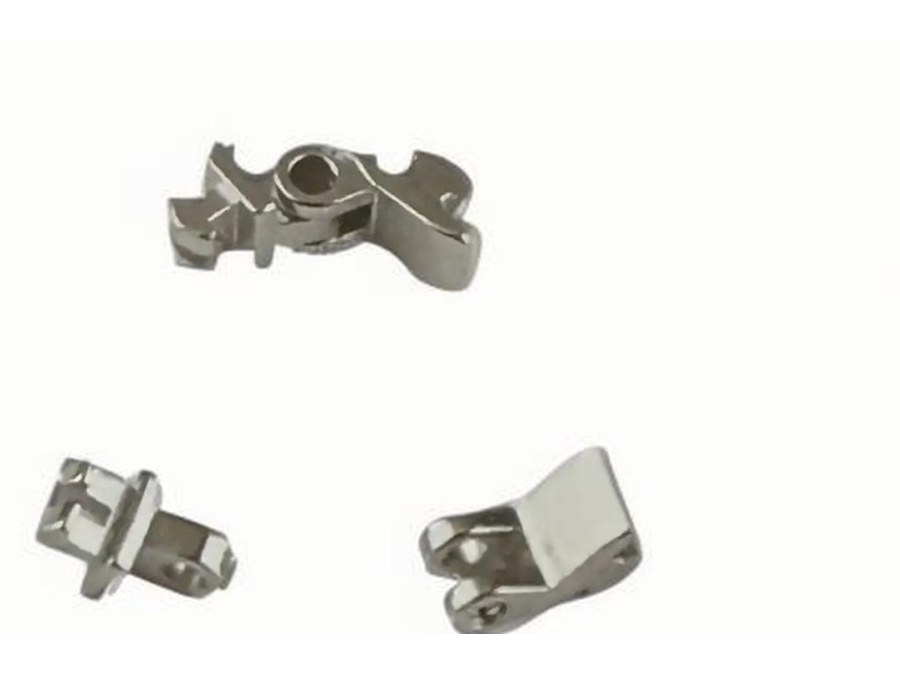
The small section that becomes a hinge barrel or spring leaf: held to tenths so the pin fits and the springback repeats, with a bright finish that takes plating or goes bare.
Precision Wire for Eyewear Hinges
The small section that becomes a hinge barrel or spring leaf: held to tenths so the pin fits and the springback repeats, with a bright finish that takes plating or goes bare.
| Material | 304 / 316L stainless, plus 202B high-manganese where springback matters; bright annealed or pickled finish |
|---|---|
| Size range | Section 0.5-4 mm across, D / half-round / rectangular / custom profiles, tolerance to +/-0.01 mm on critical faces, bright finish Ra 0.4 or better |
| Typical application | Eyeglass hinge barrels and leaves, spring hinges, temple-to-front connectors, decorative hinge inlays, optical frame hardware |
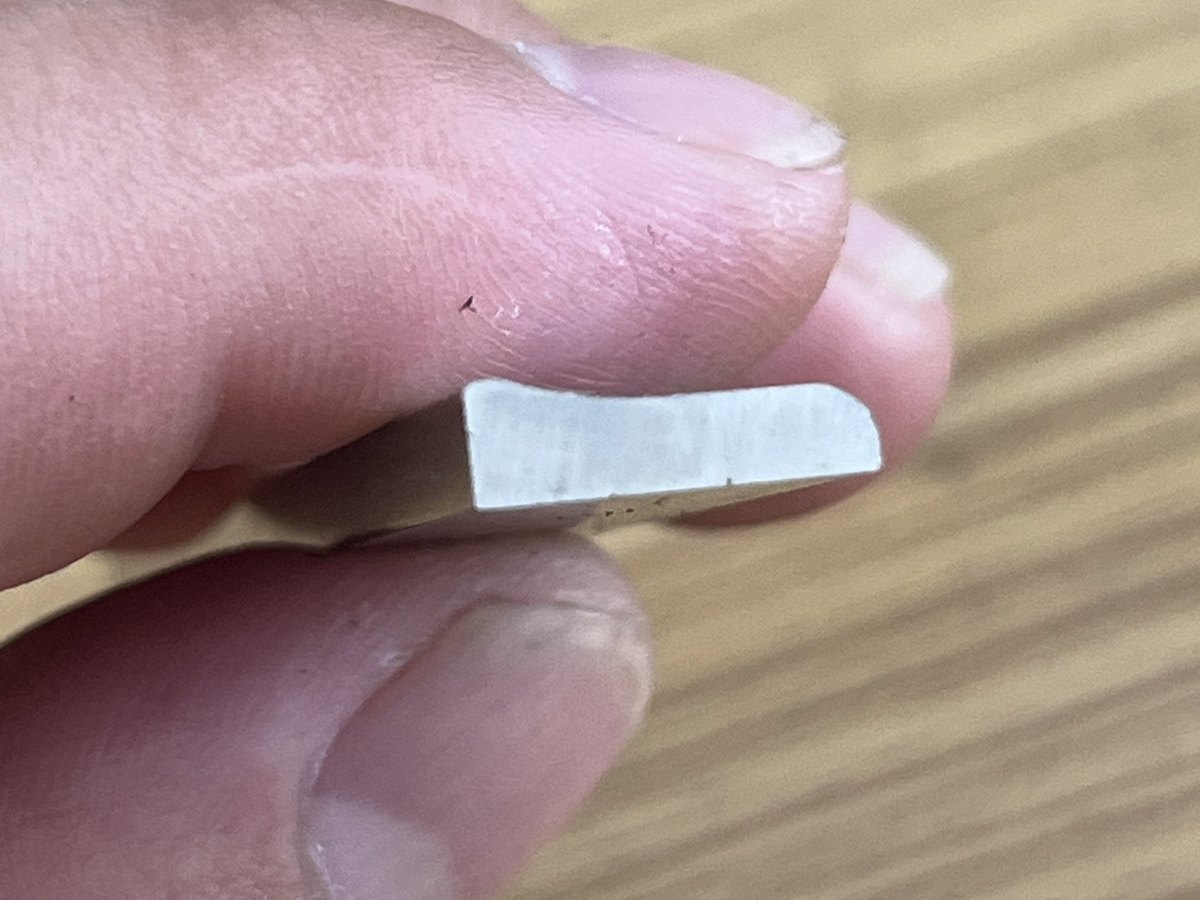
| Cross-section | Square — also drawn to your drawing |
| Surface | Bright drawn, as required |
| Packing | Coil, spool or straight length |
An eyeglass hinge is a few millimetres of metal that opens and closes tens of thousands of times, and its feel is decided by the wire it started as. The barrel has to take a pin at a consistent clearance; the spring leaf has to return the same way on the ten-thousandth cycle as on the first. Both are section-and-tolerance problems before they are hardware problems, which is why hinge makers buy wire to a profile drawing rather than to a gauge.
Section first, gauge second
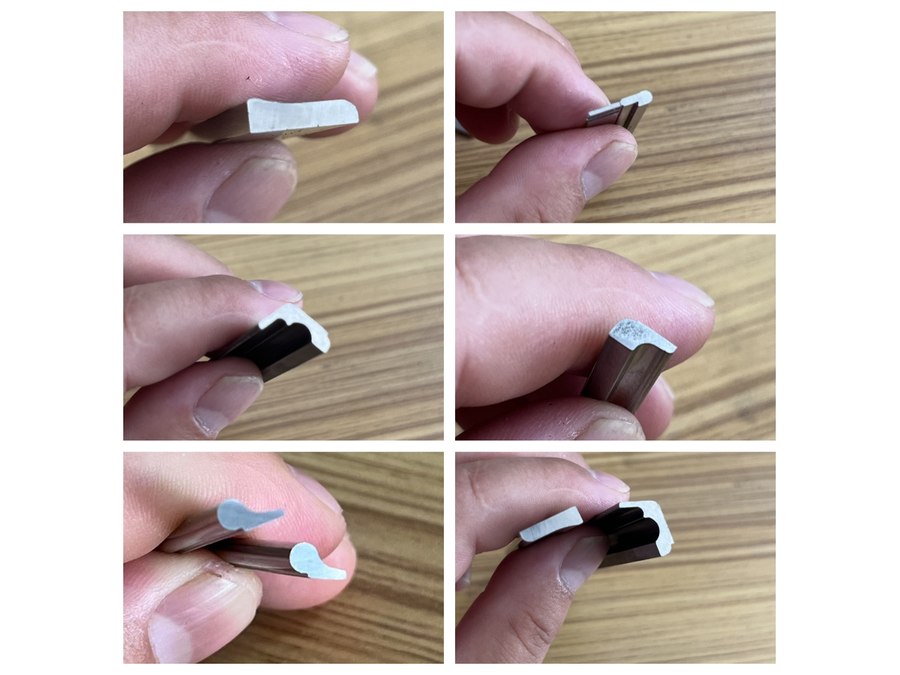
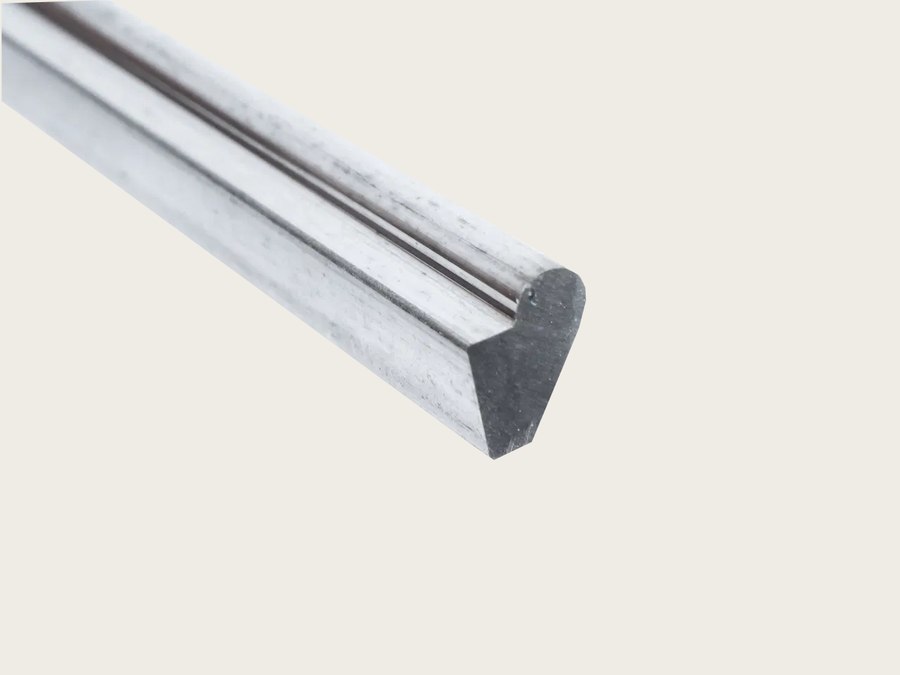
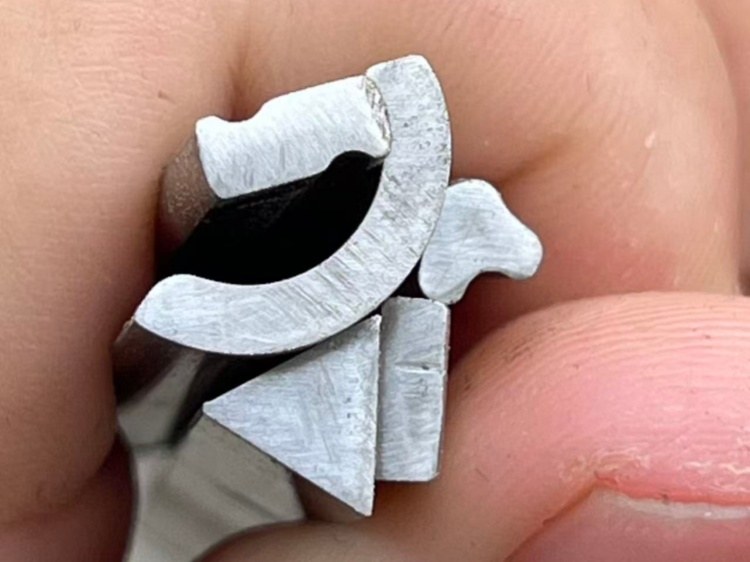
Round wire is easy to draw and easy to buy — and wrong for most hinge work. A D-section gives a flat seating face against the frame and a round face for the pin; a half-round nests against the temple; a rectangular section gives the spring leaf a defined bending axis. We draw to your section drawing, and hold the faces that matter to ±0.01 mm while leaving cosmetic faces looser — a hinge that fits costs less than one that is uniformly perfect.
Springback you can quote
A spring hinge lives in the plastic range: the leaf bends, the temper has to bring it back. That is a function of alloy, reduction per pass and final anneal, not a number you get by buying the cheapest coil. High-manganese 202B is the economical spring-grade option; 316L is chosen where corrosion resistance outranks spring force (sweat, coastal wear, children's frames). Send the section, the temper you run now and the cycle life you need, and we will say which alloy actually fits.
Finish that takes plating
Hinge stock is either plated or left bright. Bright-annealed wire arrives clean enough for plating lines without an extra polish; pickled wire suits customers who do their own finishing. Surface finish and why it matters at this scale is on the bright vs annealed page.
Specifications
| Section | D, half-round, rectangular, custom; 0.5–4 mm across |
|---|---|
| Tolerance | ±0.01 mm on functional faces |
| Finish | Bright annealed (Ra 0.4 or better) or pickled |
| Material | 304 / 316L; 202B high-manganese for spring duty |
| Supply | Small coils or cut lengths, deburred ends |
The other wire-fed parts of a frame are on the eyeglass frame wire page and the shared section catalogue is under shaped wire. The cross-section vocabulary is in the tolerance guide.
Related products
Ready to start your project?
Send us your drawing or sample — we reply within 24 hours on working days.