Home/Products/Profile Wire/Custom Profile Wire
Custom Profile Wire
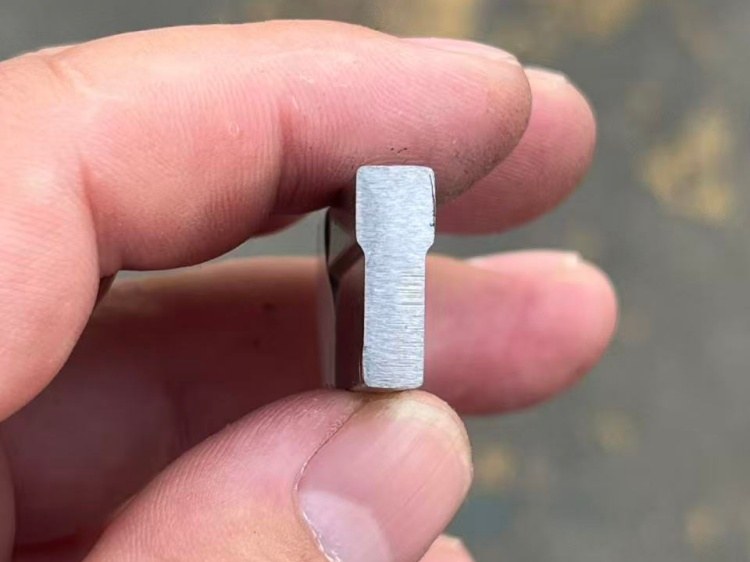
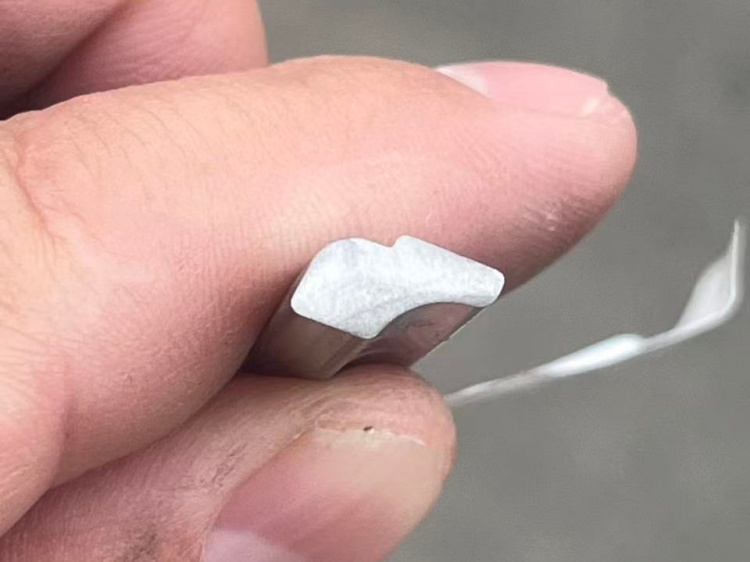
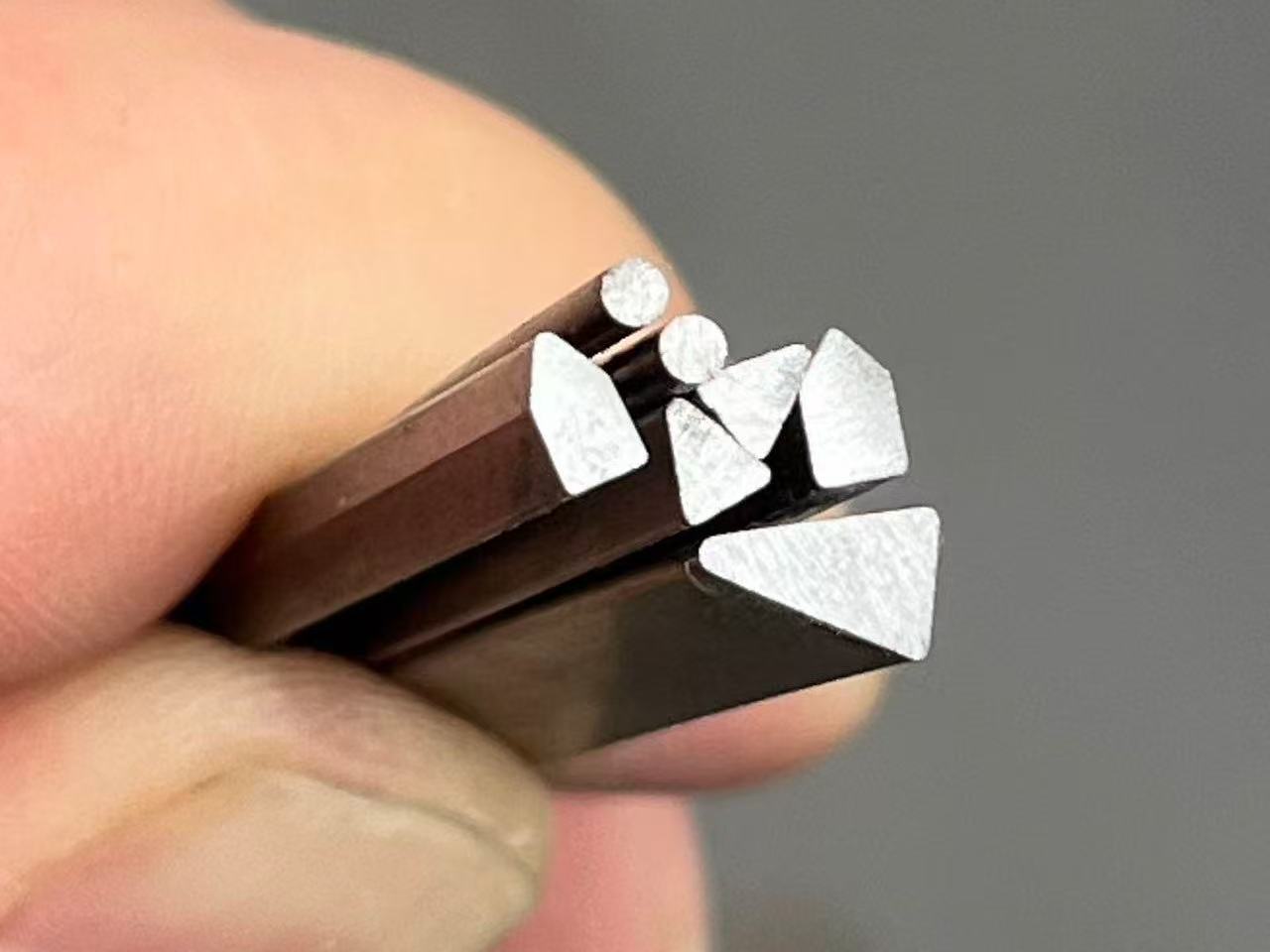
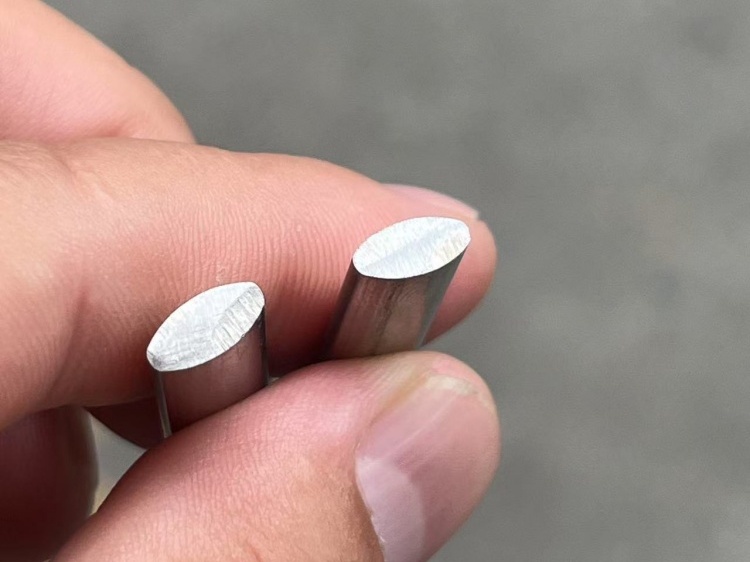
Custom profile wire drawn to your cross-section drawing. The section, the tolerance, the tooling and the batch are quoted separately, and a sample is approved before production.
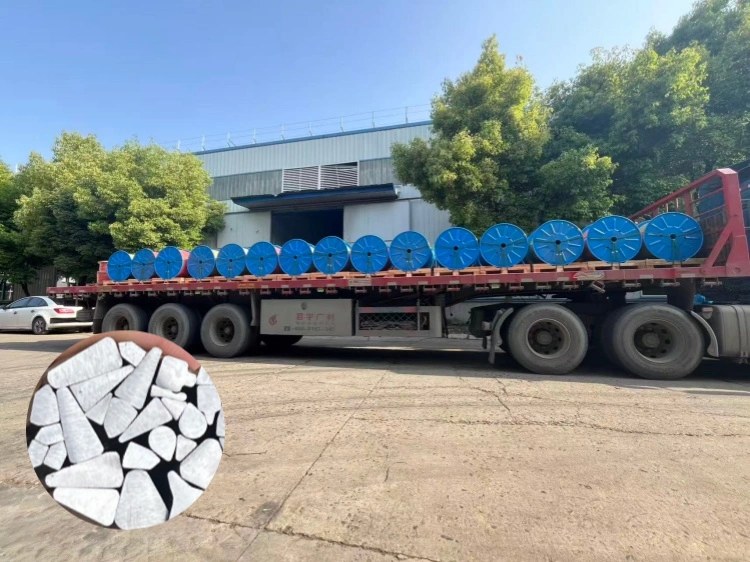
Custom Profile Wire
Custom profile wire drawn to your cross-section drawing. The section, the tolerance, the tooling and the batch are quoted separately, and a sample is approved before production.
| Material | 304 / 316L / 430 stainless steel; copper, aluminium and nickel alloys on request |
|---|---|
| Size range | Section to drawing, 0.5-12 mm circumscribed circle; tolerance from +/-0.02 mm |
| Typical application | Seal carriers, wear strips, guides, terminals, custom machine and assembly parts |
| Cross-section | Custom geometry — also drawn to your drawing |
| Surface | Bright drawn, as required |
| Packing | Coil, spool or straight length |
Custom profile wire is what happens when a buyer stops searching catalogues for an almost-right section and sends the drawing instead. The section is drawn to the drawing through a shaped die, in several passes, and delivered as coil or cut lengths. This page explains what the service actually includes, because “custom” quotes go wrong in the same three places every time: tolerance, tooling and quantity.
What the quote is built from
A firm custom profile wire quote has four separate numbers, and they are not the same number:
- Tooling. Cutting the shaped die. A simple symmetric section is one die; a stepped or hooked section can need a preform pass too. Tooling is quoted once, per section.
- Sample. Usually a short coil from the first good pulls. The sample is what you fit into the mating part — approving a drawing without a sample in hand is how parts arrive that do not go in.
- Batch. Priced by section weight and material, not by gauge. This is where ordering by cross-section instead of gauge number pays off — the reasoning is short.
- Secondary operations. Cutting to length, deburring, annealing, surface finish. Each is small, none is free, and forgetting one is the classic way a “complete” quote comes back short.
What to send for a firm quote
The section drawing with tolerances is the start. What turns it into a firm number:
- The mating part. What the wire slides into, presses against, or rides in. Tolerance budget belongs on the functional faces, and we can only see which faces those are if we see the other part.
- Material. 304 covers general duty, 316L chemical and food, 430 cost-sensitive indoor parts, copper and aluminium when conductivity or weight sets the section. If the material is “whatever the last supplier used”, say so — it still tells us something.
- Quantity and rhythm. One batch or an annual volume, and how it splits. A section that ships in five lots a year gets a different pass schedule than one shipped once.
- Form. Coil, spool, or cut lengths — and if cut, the length and the deburring requirement.
The full checklist, with what each item changes, is in the RFQ checklist.
MOQ and lead time, honestly
For standard stainless grades, batches from roughly 50 kg make sense once tooling exists; below that the material and setup dominate the price. New tooling plus first sample is typically one to two weeks from drawing approval; the batch follows after the sample is signed off. A section that needs a preform pass or a second die correction takes longer — that is normal, and the drawing-to-sample walkthrough explains why a second trial is often part of the process rather than a failure.
Where custom sections go wrong — and how we avoid it
Three failure modes, all avoidable at RFQ stage:
- Tolerance on the wrong face. The part measures to print but does not fit, because the tight tolerance sat on a non-functional face. We ask for the mating part for exactly this reason.
- Section too thin for the alloy. Some stainless alloys draw differently at small sections; a section that works in 304 may need a different pass plan in 316L. Sending the material requirement early avoids a redesign later.
- Surface specified but never defined. “Bright” means bright-drawn, bright-annealed or electropolished, and they are different operations with different prices. Name the one you need. Bright vs annealed covers the difference.
Specifications
| Section | To your drawing, 0.5–12 mm circumscribed circle |
|---|---|
| Tolerance | From ±0.02 mm on functional faces |
| Material | 304 / 316L / 430 stainless; copper, aluminium, nickel alloys on request |
| Tooling | Shaped die per section; preform pass for stepped sections |
| Sample | Short coil from first good pulls, approved before batch |
| Supply | Coil, spool, cut and deburred lengths |
| MOQ | From ~50 kg per batch after tooling (material dependent) |
Examples of sections that started as drawings are on the asymmetric and T-bar pages. Send the section drawing and the mating part and the quote comes back with all four numbers separated.
Related products
Ready to start your project?
Send us your drawing or sample — we reply within 24 hours on working days.